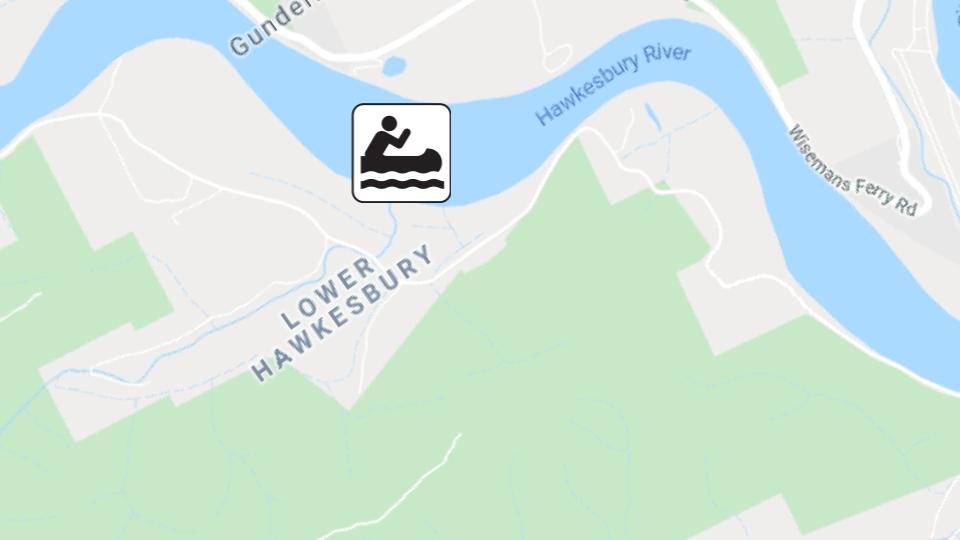
There are a number of ultra marathon kayaking events that run through the night. The Hawkesbury Classic starts at 4pm and finishes around 2-5am for most people. You’ll navigate around 6 hours of the race in darkness. The Texas Water Safari covers 260miles over 40-70 hours, and most people will spend at least two nights moving on the river in darkness.
In a perfect world, I use a GPS loaded with a topographic map of the river and displaying a very accurate track of the river which had been initially mapped in daylight when all of the obstacles were visible.
The GPS track gets displayed as a little pink line on the map screen and you zoom in to the point where you can see about 600m of river ahead of you. It’s possible, with a bit of practice and a lot of faith, to run at full pace on nights so dark that you can’t see the water under the boat.
The topo map gives you some context to where you are and lets you anticipate the upcoming turns a bit earlier. On tidal river races, like the Hawkesbury Classic, where you might not want to be on the fastest line, pushing straight into an oncoming tide, the topo map gives you the latitude to move to the opposite riverbank if you need to.
The difference between the track and the topo map is that the map is unlikely to show you where the mangroves have crept past the water edge and extended the corner of the river by 50m. They also don’t show you where mooring buoys, pontoons and other local obstacles have been installed in the years since the area was mapped.
A good track will avoid all of those obstacles.
How accurate are the GPS tracks? A couple of years ago a tree had fallen in the Hawkesbury River and a branch the size of a 6ft domestic Christmas tree was poking up right on the track. By all accounts about 80% of the people using my GPS track hit that tree.
Alternatives?
In this years Hawkesbury Classic, Kate and I had a pre-race moment of panic when her GPS wouldn’t load the GPS track for the race. Sometime between loading the track on the microSD card and checking it on race day, it had decided that it wasn’t going to read the card.
After much messing around with buttons and batteries, followed by some energetic swearing, I handed Kate my GPS and resigned myself to an oldschool race using just the map and my wits. After a number of years racing the event, I’ve taken to shrinking down the mandatory laminated paper maps to the point where they are key ring size and raise the eyebrows of the official scrutineers each time we enter. They’re now too small to read without a magnifying glass, which is irrelevant when I’d still need glasses after that.
I still had the topographic maps to see the river, but my night was going to be a refresher course, probably a crash course, in night navigation.

Sunset is around 30 minutes before last light. The sun dips to below the horizon and it’s last rays play out across the sky until the shadows of night chase it out of sight. In that last half hour colors fade to gray as the color sensing cells in your eye are starved of the light they need to function. The remaining cells are optimised for contrast and can pick out edges of shapes in the darkness until the final light is gone.
Then there is darkness.
Headlights on the boat
In the Texas Water Safari we used flashlights mounted on the bow and connected to battery packs under the bow seat to light up what was in front of us at night. That works quite well when the river is narrow, or you are close enough to a river bank to know where you are on the river. With plenty of fallen trees and obstacles in the Guadalupe River, the lights help to keep paddlers safe. When our lights died around 10pm on day 1, we were left to canonball our way through obstacles, reading the river by touch in the darkness of a moonless night.
On expansive tidal waterways like the Hawkesbury River, you’re often crossing from side to side, far from the river banks. Lights do little more than cast a depressing puddle of light in front of you and make the world around you seem even darker.
Ambient Light
Sometimes you just need to turn off the lights and work with what you’re given. The human eye has a phenomenal ability to adjust to low light conditions.
Here’s a few starter tips for improving your night vision.
- Turn off your headlamp, the light is too weak to help you navigate and too bright to keep your night perception working effectively. Don’t be that paddler that turns their head to see who’s passing, and blinds them with a blazing arc of light from their headlamp.
- Avoid other paddlers who are lit up.
- Avoid looking directly at any strong light source.
- If you are paddling past a waterfront property which is lit up, close one eye as you paddle past and switch eyes when you are past the light. Your closed eye will retain most of its accuity.
- If you use a GPS, turn the backlight down as low as it can go. It won’t seem like enough early in the night, but it will be a blaze of light by 10pm. And it will extend your batteries by a huge amount.
- Use red filters on the lights you use for checking maps, finding jackets, and other housekeeping in the boat.
- Practice doing your housekeeping in the dark. Have a system for where things are and be able to do them without additional light.
- If you simply must have light in your cockpit, throw a red cyalume into the cockpit in front of your feet, where you can’t see it directly.
- Shield any lights, glowsticks, cyalumes, or light sources that are required by race rules so that you can’t see them directly from the cockpit.
- You’ll generally find you must have one white light in the boat for maritime regulations – Don’t use that one for anything except signalling other boats. Use your coloured, dimmed light for any in-boat housekeeping tasks.
- If you’re looking at a point in the distance, turn your gaze slightly away to use the more light sensitive photo-receptors in the periphery of your eye.
Luckily we’re travelling at the sort of speed where you get a bit of time to figure out what that dark blob in front of the darker blob might be before you run into it. Some times it’s enough time to stop.
Star Light
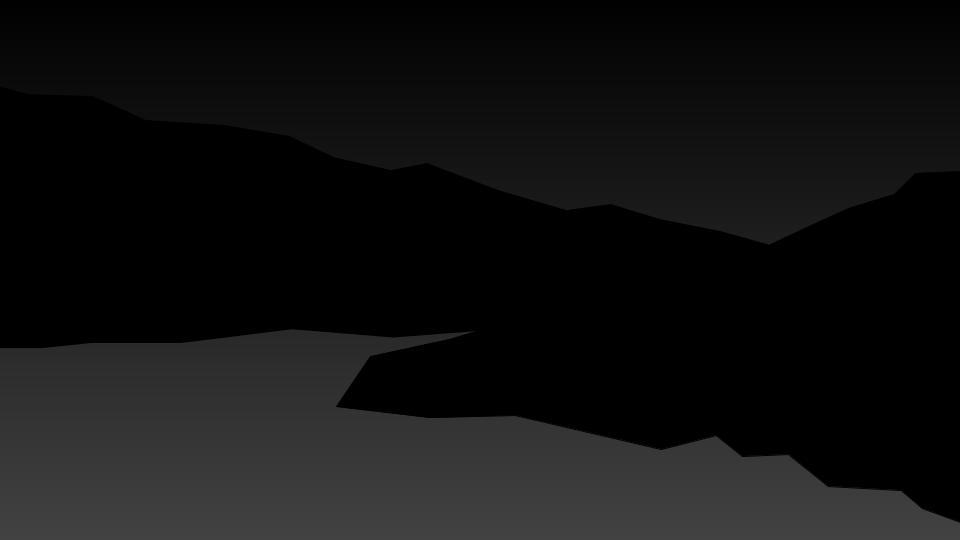
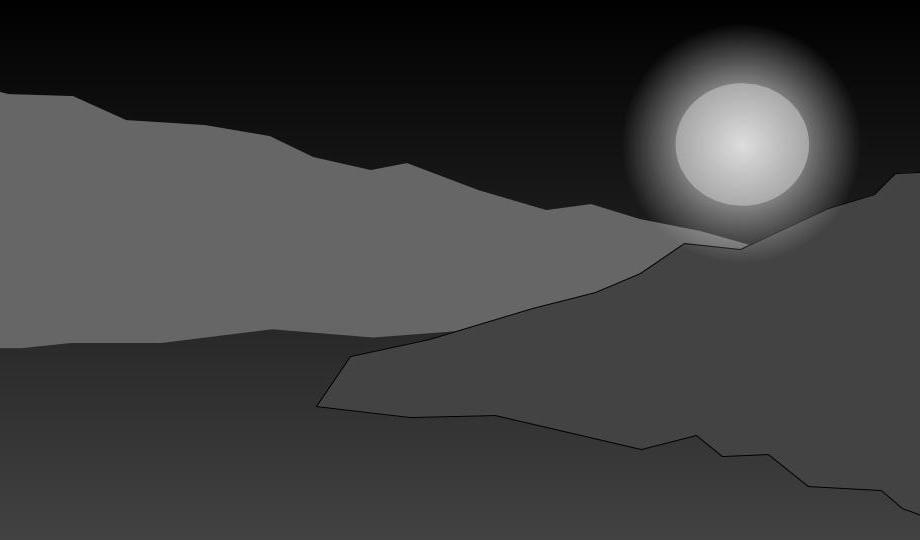
If the stars are out, you’re in luck. Once your eyes adjust to the gloom, the stars will provide a back drop to the hill tops and their reflection off the water will provide more contrast from below. With a clear sky, the light is pretty even and you’ll often find you can discern the waters edge with a bit of accuracy.
Moonlight
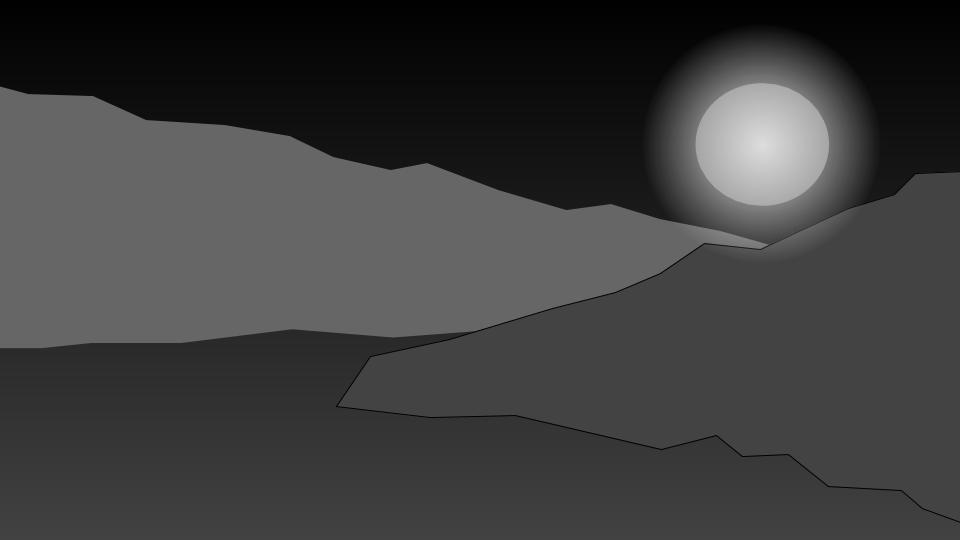
If you’re lucky enough to get a full moon, it just gets better and brighter. It’s worth noting that the moon doesn’t always come out at night and it isn’t always full. Depending on the time of year, the moon might rise and fall without ever peeking over the hilltops surrounding the river.
Perversely, the brighter light of a full moon can actually make it harder to see the waters edge if it is casting dark shadows out from the hill tops.
If it’s an overcast night, you can expect no stars, no moon, and no help from above.
Bright Lights Big City
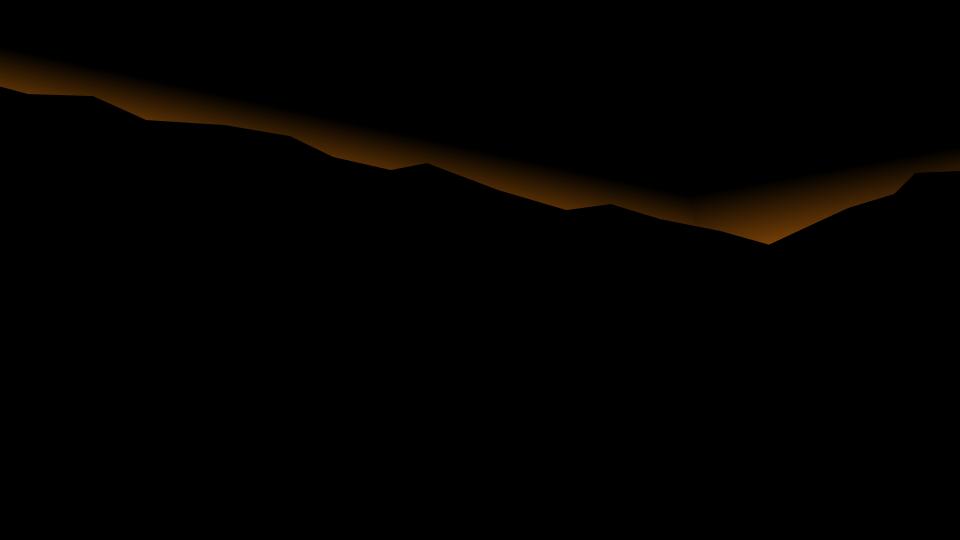
If you’re close to a city, there might be enough light pollution to help silhouette the ridgelines above the river banks. Because it’s terrestrial light, it isn’t blocked out by clouds. In some cases, it will even be enhanced by bouncing off low clouds, improving your visibility.
Visualising the Terrain
It’s great that you can see the hill tops and a little bit of light certainly helps ward off the primal fears of being alone in a kayak, hundreds of metres from the shore, in the dark.
The initial temptation would be to point your bow at the cleft in the two ridgelines as the point where the river stretches out in front of you. The river is almost certainly there at the bottom of the “V” but the local terrain is rounded hills and the ridge on the right likely extends further to your left, unless it ends in a sharp cliff.
To properly navigate you need to start working your brain a bit harder to build a mental image of the river in front of you. Hopefully you’ve been paying attention to the river you’ve already paddled and know that you’ve been paddling along the bank on your right. Even in the low light, the ridge silhouette on the left appears to be further away than the ridge on the left.
A glance at the topo map would be a useful confirmation of what is coming up ahead.
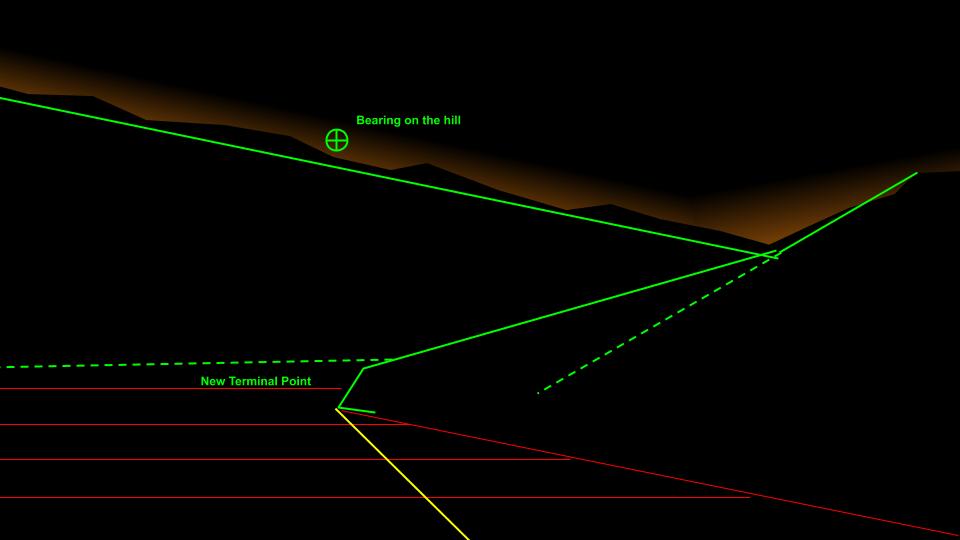
At this point, you can start building a mental picture of what the waters edge might look like beneath the shadowy gloom of the hills.
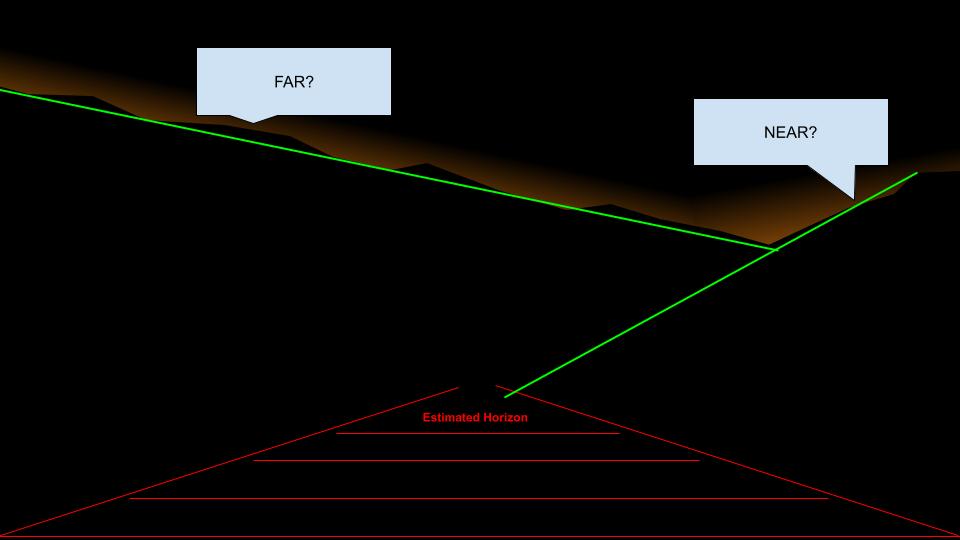
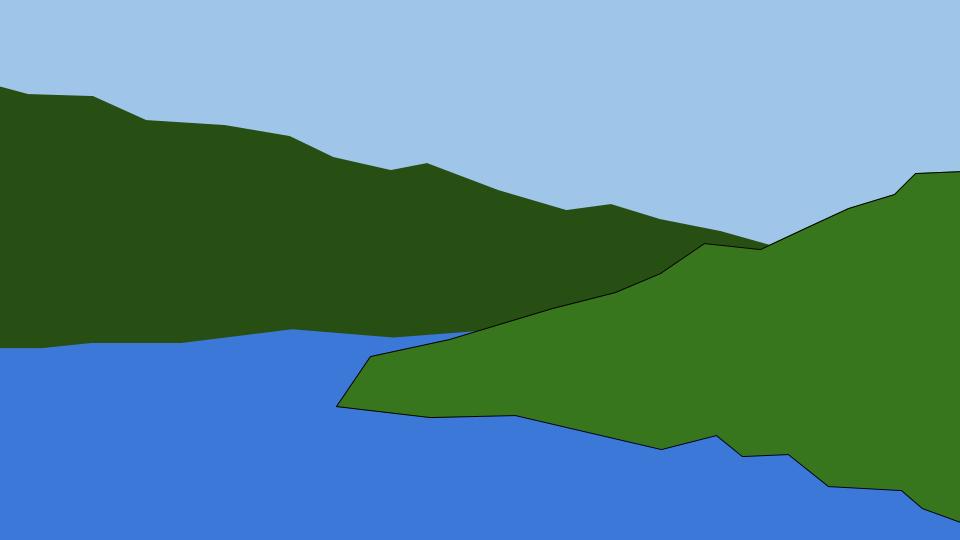
Imagine the plane of the water extending out in front of you into the dstance (red). Then picture a line extending from the ridgeline on the right, down to a point where it meets that imaginary water level. That’s your bearing while we look for more visual cues to uncover what else is hiding in the darkness. It’s not perfect, but it’s a straight line which won’t add too much to your course distance.
Follow the leader
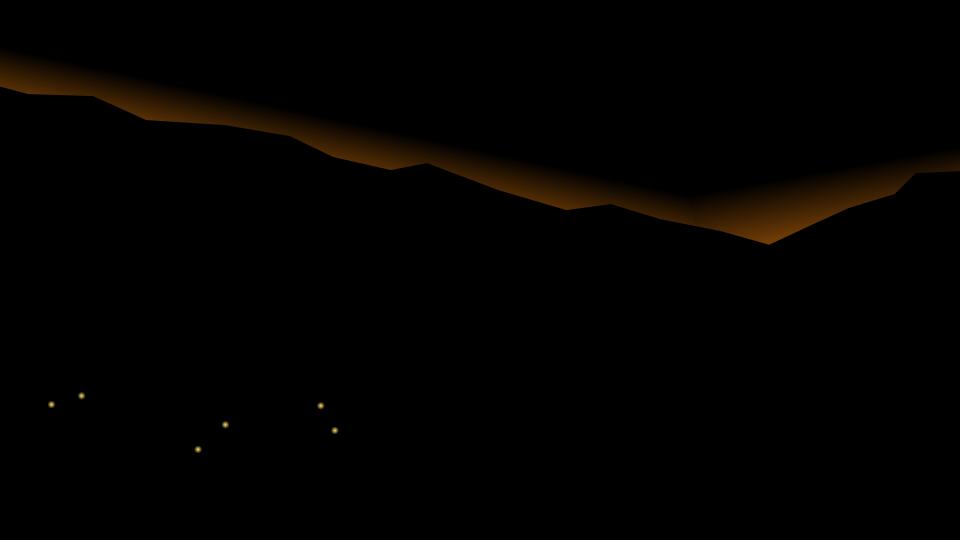
Following the cyalume of the boat in front is a time honored navigation technique on the Hawkesbury. The wise paddler would probably ask them selves why, when they don’t know where they are, would they assume that anybody else does either? Every October, you’ll see processions of paddlers playing follow the leader behind somebody who’s claim to leadership relies solely on being in front of the other paddler. Sometimes you should stop and tie your shoelaces…
At this point we’ve run out of useful lights to illuminate our world, so we borrow a few techniques from astronomy and determine the objects around us by the way they effect the light we can already see.
In the picture above, we can see the faint cyalumes of three boats ahead of us. If we watch carefully, we can see them converging towards a point left of our visualised ridgeline. So far they haven’t run into anything, so we can add a note to our mental image that the area the left is pobably clear water at least as far ahead as those three boats.
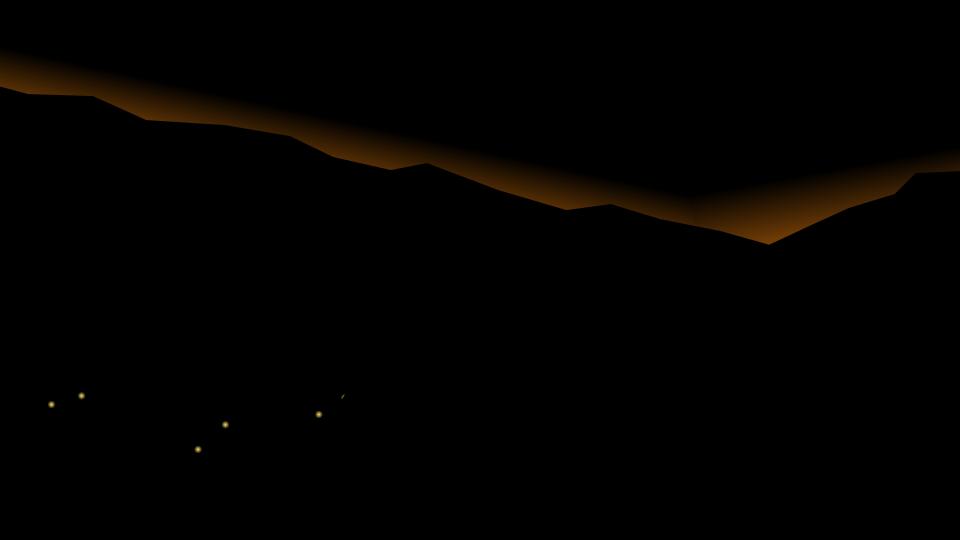
But then something changes… The front cyalume on the right-most boat just winked out of sight. This is where the astronomy comes into play. Not being able to see that light means there is something between that light and your straining eyeballs. We’ve found the end of our outcrop.
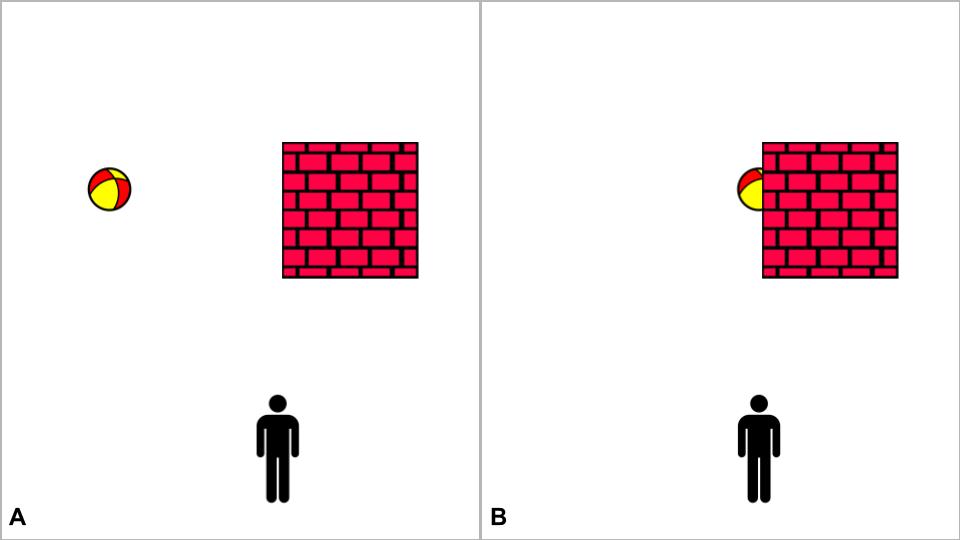
What you’re seeing in the dark is the same effect as the ball rolling behind this wall. If the wall was invisible, the observer would still know where the ball has disappeared.
Now quickly, because holding a bearing on an invisible point against a black background is nearly impossible, swing your bow towards the point where the light disappeared. Hopefully you’re just in time to see the stern light disappear around the same point. Now lift your eyes and find a reference point on the hill behind that point. Look for a dip or a cleft on the ridge, the light from a houes on the hill, as long as it’s stationary.
Don’t use a car travelling along the river road as your bearing point.
Quick rule of thumb. Any time you can see the tail light of another boat across the water, you can steer directly towards them, as there is nothing between you. In the scenario above, you could start by aiming at the right-most boat, swinging right as they traverse left to right across your course. As soon as they disappear, hold than line until you round the corner.
You should soon see the other boats ahead of you disappear behind the hill as the same point. Adjust your course to keep that point on your bow.
Our mental image now has some new details.
But what happens if you’re in front of all the other boats, or the flock has thinned out so much that there’s nobody around you?
What light on yonder hill?
A variation on the light disappearing around the corner theme is when you use fixed lights behind a moving foreground to determine shapes.
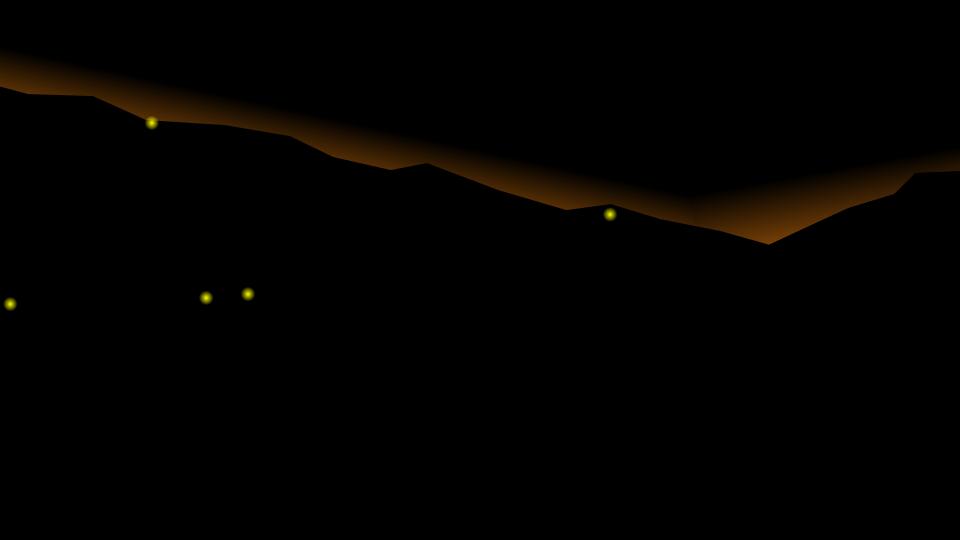
The fixed lights of homes on the hillside can also give us a clue about our surroundings. As we move along the river, our sight lines change and new lights will appear in the background. If we pay careful attention to their positions, we can get more clues about the terrain around us.
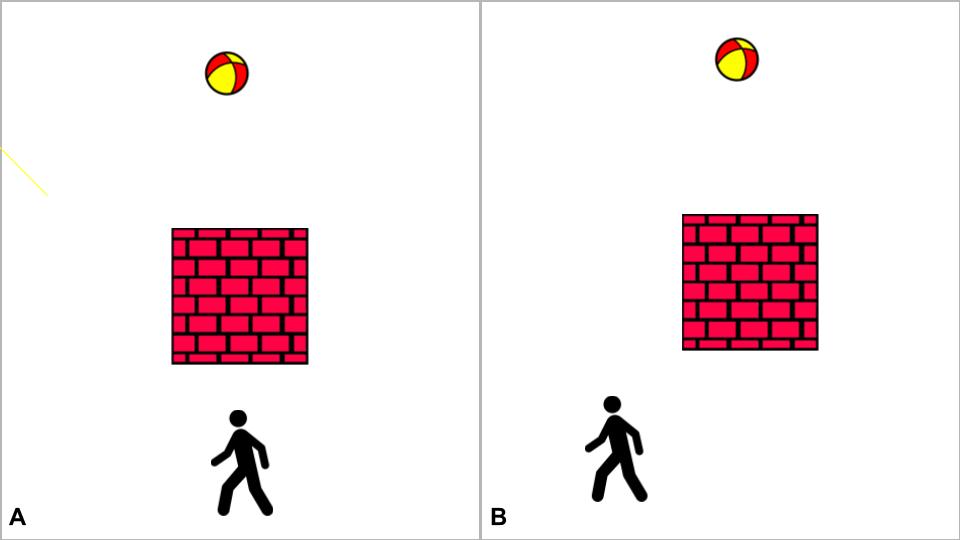
The foreground object obscures the target in A, but as the observer moves, the target comes into sight in B.
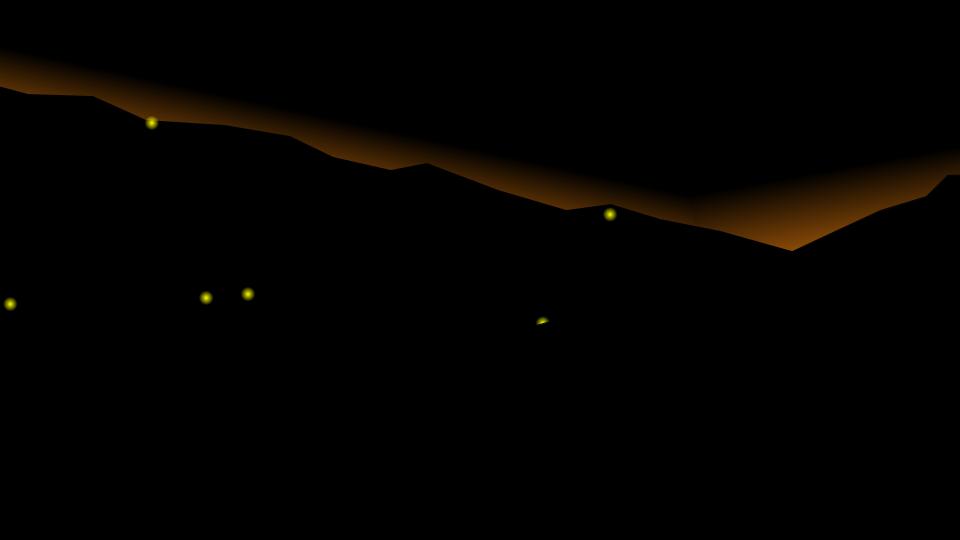
The same thing is happening here when a new light pops into sight over the ridgeline on the rigth. That helps us extend our mental picture of how far the ridge extends, even if it’s not low enough to see where it meets the water.
Navigation Lights
On some rivers you’re lucky enough to have navigation lights marking your way down river. Often they’re spaced so that there is a clear line of sight from one to the next, although that’s generally visible for a power boat rather than a forward facing kayaker.
There are two memory aids that are generally stuck in my head.
“No Red Port Left” which unpacks to “Port is your left”, and “Keep the red lights on your right”.
“Red River Right” is the one I’ve known the longest and unpacks as “Red markers to your right when you’re heading down-river”.
The presence of channel markers can add a lot of information to your virtual image of the river around you. If you keep the green lights on your left and the right lights on your right, you’ll probably be comfortably in deep water. (that may not be what you want if the river is not closed to powerboat traffic).
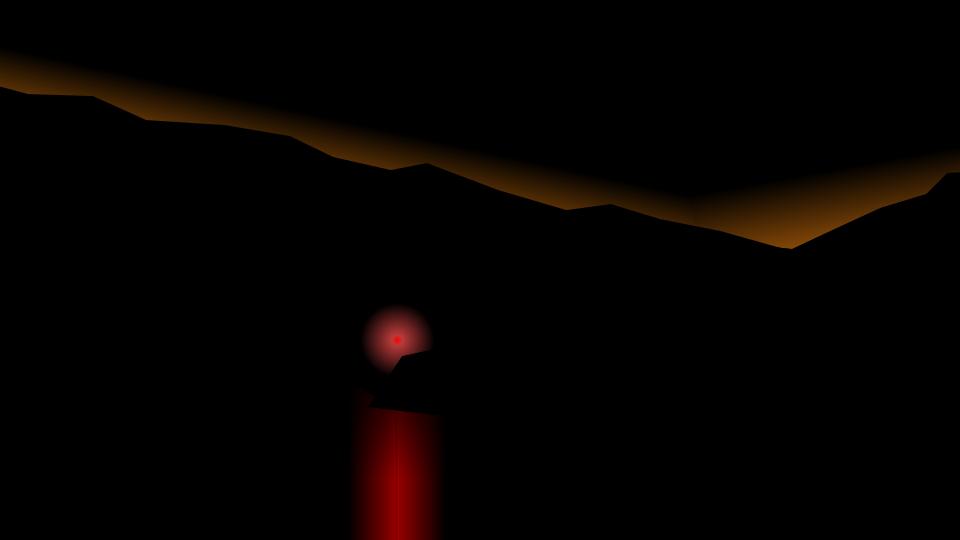
The flash of light from a channel marker is one of the best lights when it comes to defining your surroundings. Not only does it indicate the edge of a clear channel, but it also sheds light on the riverbanks and helps define obstacles. One thing to remember is that the lights are elevated and you can often see them over the top of low lying obstacles like mooring buoys (ouch!), pontoons (ouch!), and even small moored boats (crash, aargh!).
A useful trick is to look for the reflection of the light bouncing off the water. As the light flashes, look for any tell-tale voids in the reflected light. They probably indicate obstructions.
Best light of all
My favourite source of night time illumination on the water isn’t actually much use for navigation. It’s the bioluminescent algae that sparkles in the water on the darkest nights in September and October (around Sydney).
The prevailing theory is that the algae developed its light as defence mechanism against algae eating fish, firing tiny lights as they disturb the water. The light is harmless, but any fish hoping for a midnight snack is suddenly surrounded by a halo of light making them visible to larger predators.
For paddlers, the light show starts subtly with the faintest glimmer of light on the bow wave of the boat. A faint blue tinge to the water, which is easily mistaken for the reflection of moonlight or the cyalume on your bow.
Then you turn your head towards your paddle to see if it’s really happening. It is! Each catch of the paddle is the centre of an explosion of neon blue. The water that falls from the blade is a cascade of light into the inky darkness around you.
Disturbed fish ahead of the boat explode into clouds of blue beaneath the surface as they snap out of their slumber, leaving soft pools of light behind them.
I’ve never tired of seeing it, and more than once, I’ve considered stopping in the middle of a race to spend some more time playing with the liquid light. In the Hawkesbury this year, we were lucky enough to have bioluminescence for the last 40km to the finish. It was a great night.
After all that, it’s almost boring in daylight.
More reading…
https://dustandash.life/2019/11/14/night-navigation-2-1-night-vision/
Help encourage more posts by buying Steve a coffee…
Choose a small medium or large coffee (Stripe takes 10% and 1% goes to carbon reduction)
Or enter a custom amount
Your contribution is appreciated.
Donate Rivers of Dust and Ash